

Let’s Decolonize the Way We Travel to Avoid Lo Que Le Pasó a Hawaii
A short film by Bad Bunny reflects on Puerto Rico’s future, exploring the impact of tourism on indigenous cultures and the need for a global shift in how we engage with the places we visit.

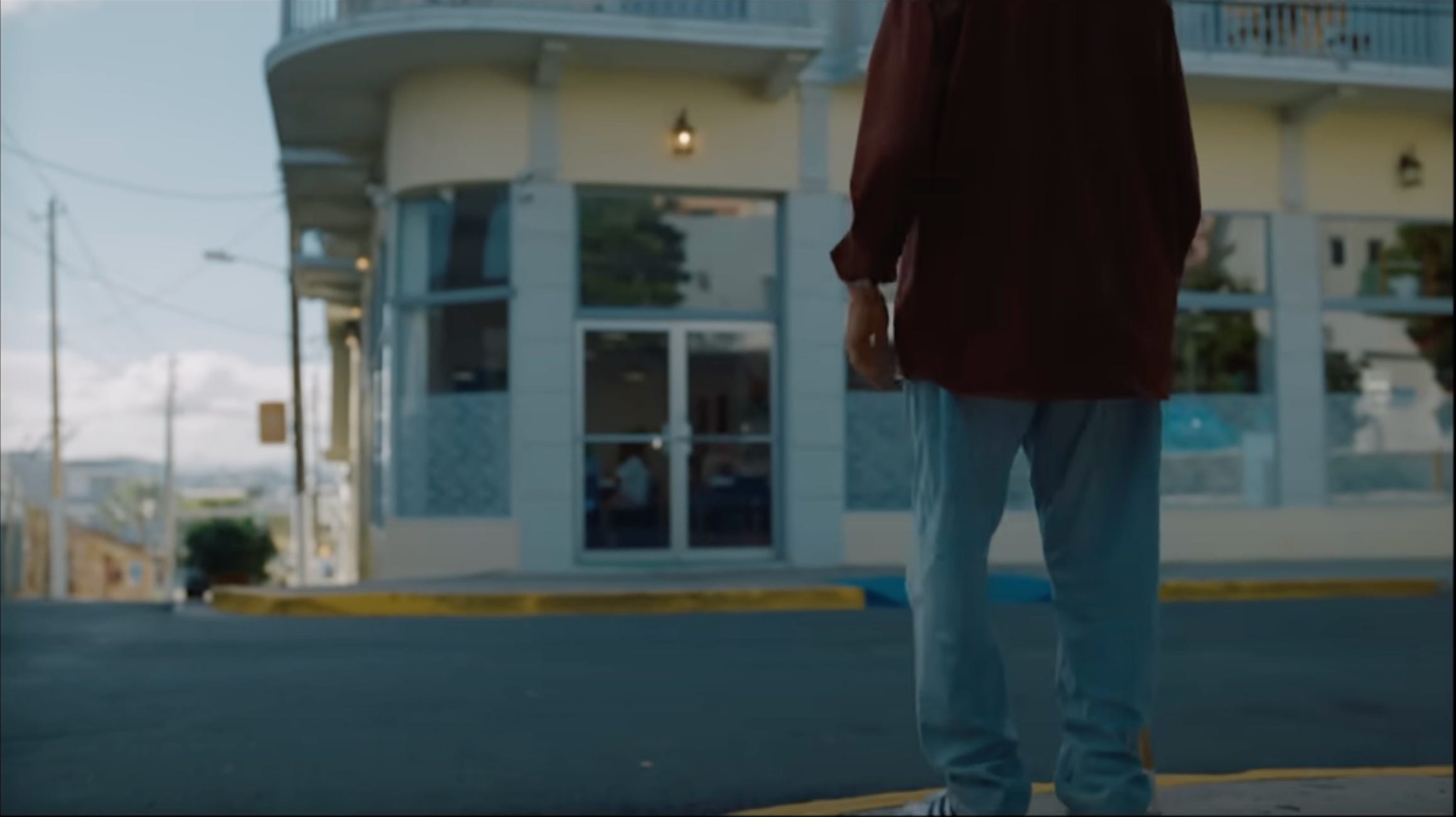
In Puerto Rico, an elderly man wanders into town to buy bread. He silently watches white American families barbecuing in the front yard with country music, listens to expats speak in English, and orders overpriced bread in a gentrified bakery that offers the traditional pastry quesitos, pero sin queso.
This is a scene from a short film directed by Boricua reggaeton artist Bad Bunny, which accompanies his latest album DeBÍ TiRAR MáS FOToS. The film peeks into a potential future of Puerto Rico, one without Puertorriqueños.
One of the album’s songs LO QUE LE PASÓ A HAWAii, (What Happened to Hawaii) is a warning: it’s time to change the way we travel, not just to Hawaii and Puerto Rico, but globally, because mainstream tourism is rooted in colonial history.
A Quick History Lesson
Travel ads beckon us to “Discover Hawaii!,” but during the so-called Age of Discovery, both Hawaii and Puerto Rico were colonized by European powers who enslaved Native and African populations to export goods like pineapple, sugar cane, coffee, and tobacco.
In 1893, American businessmen, including Samuel Dole of Dole pineapple, overthrew Hawaii’s queen with the help of the American military, annexing the archipelago as American territory.
In Puerto Rico, most of the native Taino population were decimated by foreign diseases and Catholic missions—one of which was converted into the first luxury hotel in 1646— where, according to it’s website, you can still “witness the authentic charm of the Conquistador Age.” In 1898, the US invaded Puerto Rico and seized the land from Spain to make it a US colony.
Today, both islands hold US military bases, and the Oahu base has been at the center of controversy regarding petroleum leaks polluting the marine environment and displacing residents.
How Does This Affect Travel Today?
Colonialism has morphed into neocolonialism, where the idea of “discovery” is upheld via economics, globalization, and cultural imperialism that influence the development of “must-see destinations.” The tourism of these tropical islands, like many colonized places, serve the interests of Western tourists and expats, while pushing out locals through gentrification and high living costs.
Modern tourism reinforces an Us vs. Them mentality that fuels land grabs; both islands witness wealthy outsiders remove local neighborhoods and construct luxury resorts in their place. In Hawaii, the first luxury hotel was constructed in 1901 in Waikiki by wealthy British Honolulu landowner and liquor salesman, Walter Chamberlain Peacock.
Some travelers want to “help,” but mainstream forms of voluntourism inadvertently perpetuate colonial attitudes. Missions and service trips stem from the White Savior Complex, the belief Westerners must “save” poor, uncivilized, ignorant Indigenous people without questioning the systems of inequality implemented by the West. Christian missionaries arrived in Hawaii in 1820 and influenced a ban on hula and other Hawaiian traditions, deeming them too vulgar for “civilized society.”
Western yogis visit tropical places to chase a Eat, Pray, Love spiritual journey, while many “conscious communities” accelerate local displacement and economic inequality (also see: Lake Atitlan in Guatemala). These forms of travel allow visitors to feel good about themselves while ignoring the impact on communities they claim to help or love.
What Happened to Hawaii?
Hawaii’s beautiful landscapes lure millions of visitors each year. But as activist Haunani-Kay Trask said: “Tourists flock to my Native land for escape, but they are escaping into a state of mind while participating in the destruction of a host people in a Native place.”
Luxury resorts and expat enclaves drive up the cost of living, displacing native Hawaiians, with approximately 15,000 locals leaving the islands each year. In recent years, millionaires and corporations buy up land, using sustainability rhetoric to justify cattle farming and high-priced resorts.
What’s Happening to Puerto Rico?
In the wake of 2017 Hurricane Maria, Puerto Rico has become a financial playground for wealthy mainlanders like influencer-turned-boxer Logan Paul and the British billionaire Reuben brothers who enjoy tax incentives for mansions and luxury resorts while locals struggle. Puerto Ricans are priced out of their homes and starved of essential resources, mirroring Hawaii’s crisis.
Journalist and activist Rosa Clemente described the situation: “They want a Puerto Rico without Puerto Ricans for a playground,” bringing us to Bad Bunny’s vision of an island filled with cookie-cutter modern coffee shops that could be found anywhere in the US.
How to Decolonize Travel
Travel can be a tool for experiential learning and cultural exchange, but it also has serious economic and environmental consequences. It’s time to decolonize the way we travel and critically examine tourism’s history, impact, and power dynamics.
Shedding a colonial mindset means we travel not as a consumer in search of experience, but as a guest in someone else’s home. Here’s a few alternative ways to travel:
Instead of visiting big-name resorts, stay with locally-run hotels, businesses, and tour operators, like Hawaii Detours, led by locals who speak about the effect of U.S. militarism and tourism on local communities.
Instead of seeking “exotic” experiences, build meaningful connections with the people you meet. (De)Tour in Puerto Rico also encourages locals and travelers to “interrupt coloniality” and appreciate the complexity of the Caribbean people.
Attempting to speak a few sentences in the local language shows respect and effort. Don’t expect locals to accommodate your comfort.
Sites like Worldpackers and Workaway connect travelers with homestays, farms, and businesses via work exchanges for room and board. Unlike foreign NGOs or church-run missions, these initiatives are usually locally-led. However, keep an eye out for Western-owned and operated businesses, like some backpacker hostels or plantation-style farms.
Travel responsibly by learning about and supporting sovereignty movements that fight for land recovery and cultural rights. American travelers can advocate for Hawaiian and Puerto Rican sovereignty at home.
Puerto Rico and Hawaii would simply not be the same without its people, and we must support their right to live in their homeland.
Decolonizing travel requires us to care about the well-being of the locals, challenge existing power structures, and amplify diverse perspectives, not just as tourists, but as global citizens.
Follow us on Instagram: Forge & Field Notes